
The Negative Impact of Social Media on Academic Performance
In today’s digital age, social media has become an integral part of our daily lives, especially for the younger generation.

Discover articles on education, learning, and technology that help parents support their child’s academic success in today’s digital world.
In today’s digital age, social media has become an integral part of our daily lives, especially for the younger generation.
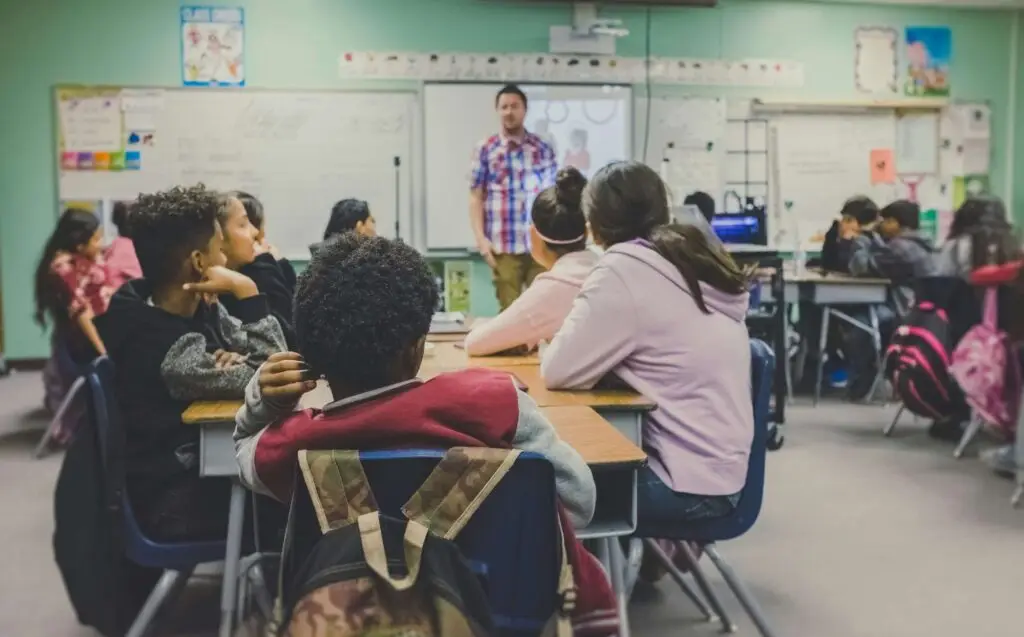
This blog post aims to provide parents, teachers, and childcare professionals with innovative show and tell ideas for kids, along with insights into its numerous benefits.

Independence Day, celebrated on July 4th, is one of the most important and revered holidays in the United States. It marks the day in 1776 when the 13 American colonies formally declared their separation from British rule, leading to the birth of a new nation founded on principles of liberty, equality, and democracy. Celebrated with fireworks, parades, and patriotic displays, Independence Day is a time for Americans to reflect on their history, honor those who fought for their freedoms, and celebrate the values that define their country. In this blog we go over the history behind Independence Day, fun facts, and so much more.

Every year, Americans across the country come together to celebrate the 4th of July with fireworks, parades, and barbecues. This day, officially known as Independence Day, holds profound historical significance for the United States. But what exactly makes this date so important? In this blog we answer the question of why do Americans celebrate the 4th of July and the key historical events that have shaped this national holiday.

Spring is an exciting time of year, full of new beginnings and vibrant changes in nature. For preschoolers, it’s a season of discovery, learning, and fun. In this blog post, we’ll explore some fun and interesting spring facts and activities to help young children appreciate the wonders of this beautiful season.

Spring is a magical season of renewal, growth, and discovery. For kids, it offers a unique opportunity to learn about the natural world in a fun and engaging way. In this blog post, we will explore interesting spring facts that will captivate children’s imaginations and foster their curiosity about the environment. Parents and educators alike will find this guide useful for teaching kids about the wonders of spring. This blog shares 15 fun spring facts for kids and other things you should know about the season.

Mental health awareness is crucial for teenagers, as they navigate the challenging landscape of adolescence. With the rising prevalence of mental health issues among teens, it is essential to provide them with the resources and support they need. One powerful tool for promoting mental well-being is the use of books that address mental health topics. These mental health books for teens can offer valuable insights, guidance, and a sense of connection for teens facing various challenges.
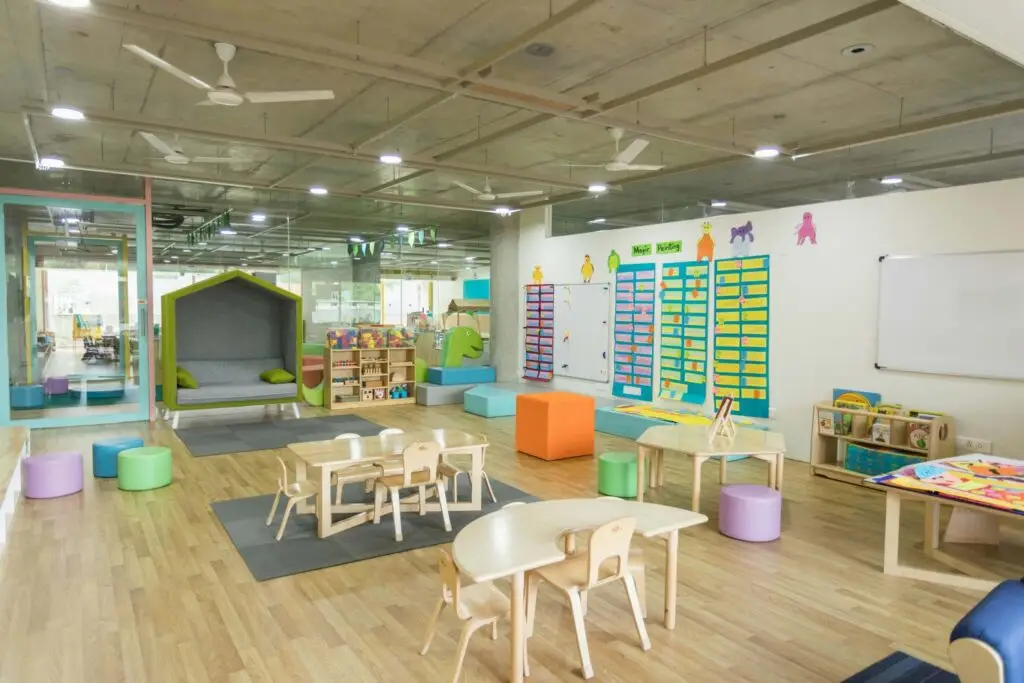
spring activities for kindergarten
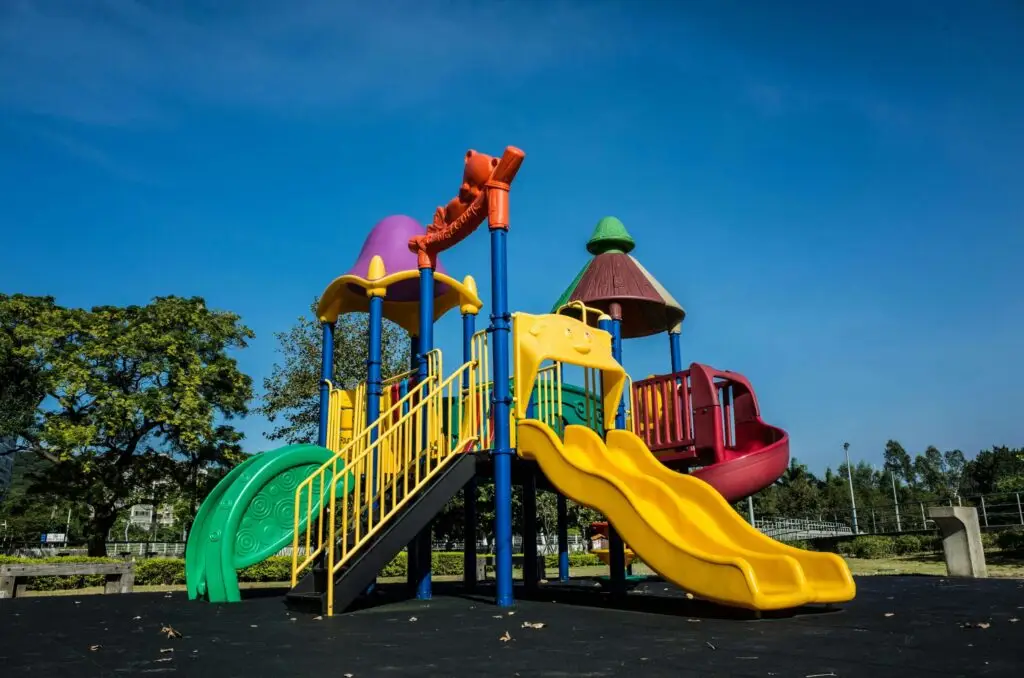
Spring offers a myriad of opportunities for preschoolers to explore, learn, and play both indoors and outdoors. From nature scavenger hunts to planting seeds, butterfly life cycle observations, and rainy day sensory play, there’s a wealth of hands-on activities to engage young learners. Art projects celebrating spring’s vibrant colors, outdoor picnics amidst blooming flowers, and egg carton gardening foster creativity, sensory development, and an appreciation for the environment. Pairing scientific exploration with fun experiments, designing outdoor obstacle courses, and indulging in spring-themed storytelling sessions enhance cognitive skills, physical development, and language proficiency. These diverse activities not only embrace the magic of the season but also nurture curiosity, imagination, and a lifelong love for learning in preschoolers. In this blog we will cover spring preschool activities, indoor and outdoor, and why they are beneficial for young kids.
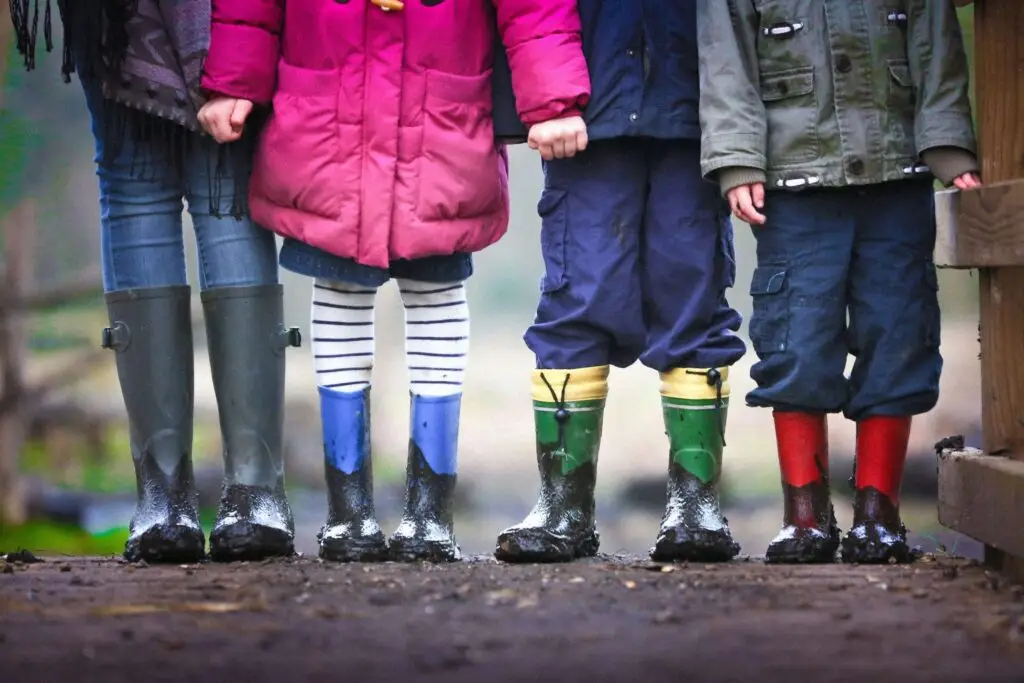
In the colorful world of play, sensory experiences hold a special place – they’re the equivalent of a chef’s tasting menu for a child’s developing brain. Through simple activities involving touch, smell, taste, movement, balance, sight, and hearing, sensory play lays down the foundation for a rich tapestry of lifelong learning. Parents, educators, and child development experts are recognizing that sensory play is far more than just fun and messy—it’s a critical part of early childhood development. In this blog, we’ll explore the myriad ways in which this powerful form of play can benefit young learners.